ToothDoQ Blog · Pediatric
Baby teething, without the panic.
Which symptoms actually mean a tooth is coming through, what helps, what doesn't, and when to call a pediatric dentist instead of waiting it out.
By ToothDoq Team · · 8 min
Understanding Baby Teething: The First Signs
Recognizing when your baby is teething and what to expect
Baby teething typically begins between 4 and 7 months of age, though every child develops differently. The first teeth to emerge are usually the lower central incisors (bottom front teeth), followed by the upper central incisors.
Common Signs Your Baby Is Teething:
- Increased drooling and saliva production
- Fussiness and irritability, especially at night
- Desire to chew on everything within reach
- Swollen, tender gums where teeth are emerging
- Mild temperature (not a true fever)
- Changes in sleep patterns and feeding habits
According to the American Academy of Pediatrics, teething does not cause high fever, diarrhea, or severe illness. If your baby develops these symptoms, consult your pediatrician.
This is general information, not a diagnosis or treatment advice. See a dentist for advice about your situation.
Safe and Effective Teething Relief Methods
Evidence-based strategies to comfort your teething baby
There are many safe ways to help soothe your teething baby. The key is providing gentle counter-pressure to the gums and safe objects for chewing.
Recommended Relief Methods:
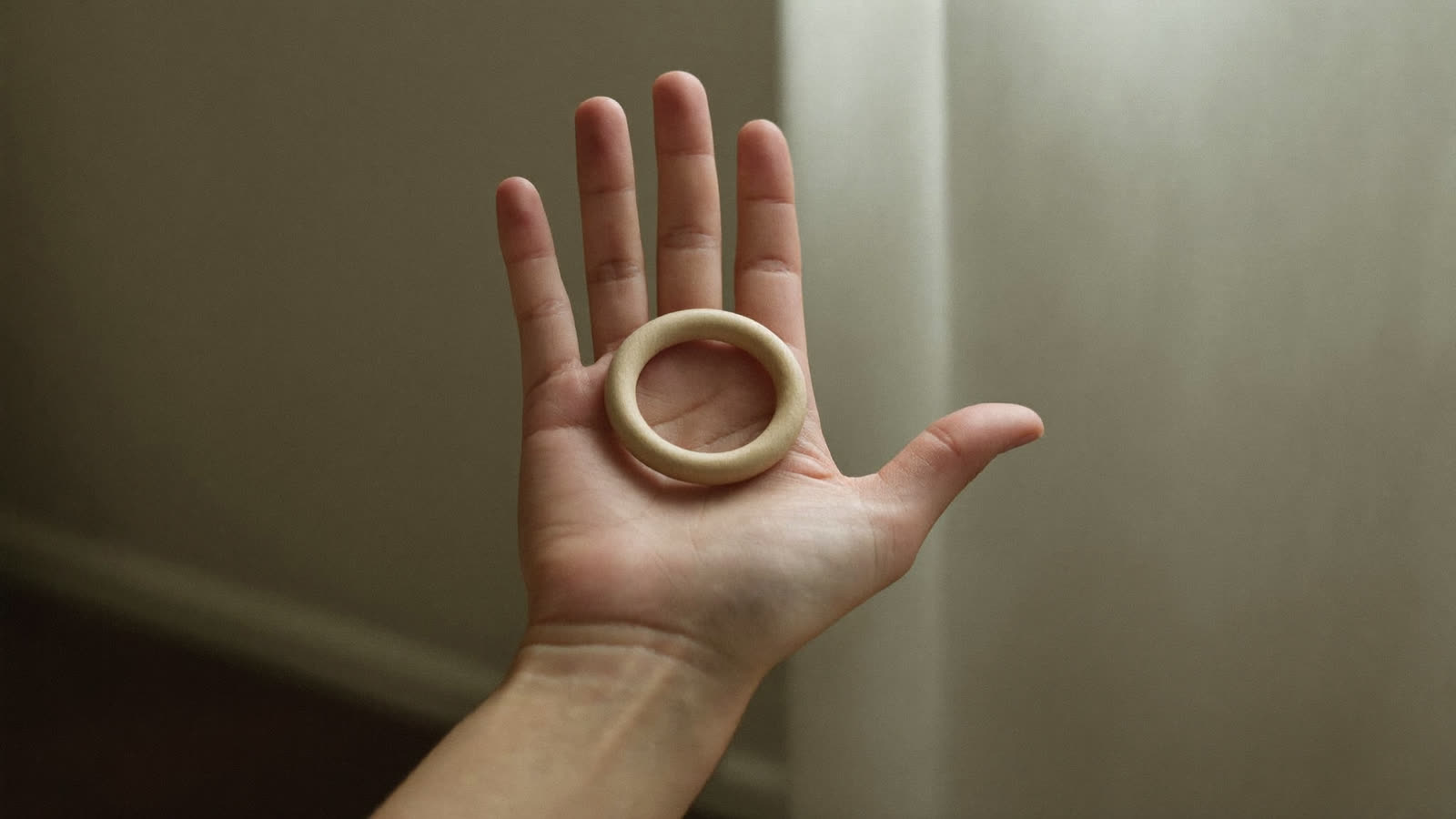
- Chilled (not frozen) teething rings provide gentle pressure
- Clean, cold washcloths for baby to chew on
- Gentle gum massage with a clean finger
- Cold foods like applesauce or yogurt for babies eating solids
- Over-the-counter pain relief as recommended by your pediatrician
The FDA warns against teething tablets and gels containing benzocaine, which can cause serious side effects in infants.
Always supervise your baby with teething toys and ensure they are age-appropriate and free from choking hazards.
Newborn Dental Care: Starting Early
Essential oral hygiene practices for infants
Good oral health begins before the first tooth appears. The American Dental Association recommends cleaning your baby gums even before teeth emerge.
Infant Oral Care Steps:
- Wipe gums with a clean, damp gauze or washcloth after feedings
- Once teeth appear, brush twice daily with a rice-sized smear of fluoride toothpaste
- Use a soft-bristled infant toothbrush
- Avoid putting baby to bed with a bottle containing anything other than water
- Schedule first dental visit by age one or when first tooth appears
Early childhood caries (baby bottle tooth decay) is preventable. Never allow prolonged exposure to sugary liquids, especially at bedtime.
Teething Timeline: What to Expect and When
A comprehensive guide to tooth eruption patterns
While timing varies significantly between children, understanding the general teething timeline helps parents know what to expect.
Typical Tooth Eruption Schedule:
- 6-10 months: Lower central incisors
- 8-12 months: Upper central incisors
- 9-13 months: Upper lateral incisors
- 10-16 months: Lower lateral incisors
- 13-19 months: First molars (upper and lower)
- 16-22 months: Canines (upper and lower)
- 23-31 months: Second molars (lower and upper)
By age 3, most children have all 20 primary teeth. These baby teeth are essential placeholders for permanent teeth and play crucial roles in speech development, nutrition, and proper jaw development.
Contact your pediatric dentist if your child has not developed any teeth by 18 months.
From ToothDoQ: worried about a tooth right now? The free tooth scan gives you an honest read from a photo in under a minute, no signup. And ToothDoQ shows real prices with your insurance applied before you book.