ToothDoQ Blog · Prevention
Cavities are mostly preventable.
Fluoride, sealants, sugar timing, and the supplements with real evidence behind them. A short, opinionated read pulled from current NIH guidance.
By ToothDoq Team · · 10 min read
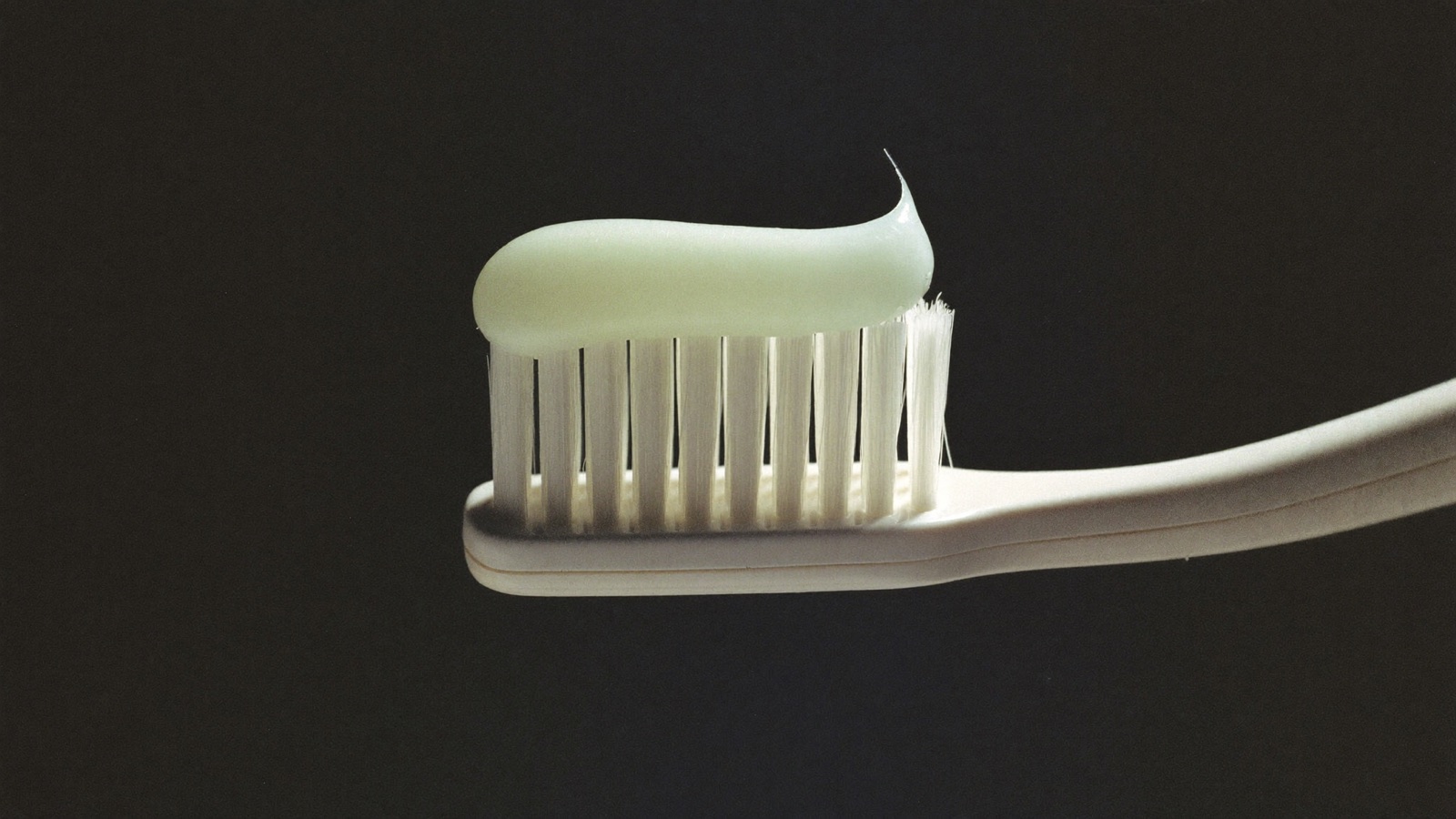
Understanding Dental Caries: The Science of Tooth Decay
How cavities form and why prevention is critical
Dental caries (cavities) remain one of the most common chronic diseases worldwide, affecting people of all ages. According to the National Institute of Dental and Craniofacial Research (NIDCR), the overwhelming majority of American adults have had a cavity in their permanent teeth.
Cavities form through a process called demineralization. When bacteria in the mouth consume sugars and starches, they produce acids that attack tooth enamel. Over time, these acid attacks dissolve the minerals in enamel, creating tiny openings that eventually become cavities.
NIH research shows that cavity formation is preventable in most cases through a combination of proper oral hygiene, fluoride exposure, dietary modifications, and professional dental care.
The key to prevention is understanding that tooth decay is a dynamic process. Demineralization can be reversed in early stages through remineralization—a process enhanced by fluoride, saliva, and calcium-rich foods.
This is general information, not a diagnosis or treatment advice. See a dentist for advice about your situation.
The Fluoride Advantage: Evidence from Decades of Research
Why fluoride remains the gold standard in cavity prevention
Fluoride is one of the most extensively researched preventive measures in all of medicine. The CDC named community water fluoridation one of the ten great public health achievements of the 20th century.
Fluoride works through multiple mechanisms: it enhances remineralization of early decay, inhibits bacterial metabolism, and makes tooth enamel more resistant to acid attacks. NIH-funded studies consistently find that fluoride lowers cavity rates across whole populations.
Sources of Fluoride:
- Fluoridated community water: Optimal concentration of 0.7 ppm
- Fluoride toothpaste: Use twice daily with fluoride concentration of 1,000-1,500 ppm
- Professional fluoride treatments: Varnishes or gels applied by dental professionals
- Fluoride mouth rinses: For high-risk individuals
- Prescription fluoride products: For patients with elevated cavity risk
The ADA and NIH both emphasize that fluoride is safe and effective when used as recommended. Children under 3 should use a rice-sized amount of fluoride toothpaste, while children 3-6 should use a pea-sized amount.
Dental Sealants: A Proven Protective Barrier
How sealants provide long-lasting cavity protection
Dental sealants are thin, protective coatings applied to the chewing surfaces of back teeth (molars and premolars). These teeth have deep grooves and pits that are difficult to clean and particularly susceptible to decay.
Research published by the National Institutes of Health shows that sealants sharply reduce cavities in molars in the years right after placement, and keep offering real protection well beyond that.
School-age children without sealants have nearly three times more cavities than children with sealants, according to CDC data.
The sealant application process is quick, painless, and non-invasive. The tooth surface is cleaned, prepared with a conditioning solution, and the sealant material is painted onto the tooth enamel where it bonds and hardens.
Who Benefits Most from Sealants:
- Children and teenagers: Newly erupted permanent molars are most vulnerable
- Adults with deep grooves and pits in teeth
- People at higher risk for cavities
- Individuals with early signs of tooth decay without cavitation
Dietary Strategies: Sugar Reduction and Smart Snacking
Evidence-based nutritional approaches to cavity prevention
Diet plays a crucial role in cavity formation. NIH research clearly establishes the link between frequent sugar consumption and dental caries. However, it's not just the amount of sugar—timing and frequency matter significantly.
Each time you consume sugar or carbohydrates, oral bacteria produce acid that attacks tooth enamel for about 20 minutes. Frequent snacking or sipping sugary beverages creates a nearly constant acid environment, preventing the natural remineralization process.
Evidence-Based Dietary Recommendations:
- Limit sugar intake to mealtimes rather than snacking throughout the day
- Avoid sugary beverages between meals; choose water instead
- Eat cheese or nuts after meals to neutralize acid and promote remineralization
- Chew sugar-free gum with xylitol to stimulate saliva production
- Rinse with water after consuming acidic foods or beverages
- Wait 30 minutes after consuming acidic foods before brushing
Studies show that cutting added sugar down to a small fraction of your daily calories dramatically reduces cavity risk at every age.
Emerging Technologies in Cavity Prevention
The future of dental caries management
Research funded by the National Institutes of Health continues to advance our understanding of cavity prevention. Emerging technologies show promise for even more effective prevention strategies.
Innovative Preventive Approaches:
- Silver Diamine Fluoride (SDF): Arrests existing cavities and prevents new ones
- Probiotic therapy: Beneficial bacteria that inhibit cavity-causing strains
- Biomimetic remineralization: Materials that rebuild enamel at the molecular level
- AI diagnostic tools: Early detection of demineralization before cavitation occurs
- Antimicrobial peptides: Targeted elimination of cariogenic bacteria
- Photoactivated disinfection: Light-based bacterial reduction
While these technologies continue to be refined and studied, the fundamentals remain crucial: proper oral hygiene, fluoride use, dietary management, and regular dental care provide the foundation for a cavity-free life.
The NIH emphasizes that prevention is always preferable to treatment. By implementing evidence-based preventive strategies, most cavities can be avoided entirely.
From ToothDoQ: worried about a tooth right now? The free tooth scan gives you an honest read from a photo in under a minute, no signup. And ToothDoQ shows real prices with your insurance applied before you book.
Sources
- National Institute of Dental and Craniofacial Research: Dental Caries (Tooth Decay) in Adults (Age 20 to 64)
- Centers for Disease Control and Prevention: Community Water Fluoridation: Fluoridation Statistics
- American Dental Association: Fluoride: Topical and Systemic Supplements
- National Institutes of Health: Dental Sealants Prevent Cavities
- World Health Organization: Sugars and Dental Caries
- Journal of Dental Research: Silver Diamine Fluoride for Caries Arrest