ToothDoQ Blog · Pediatric
When the chair feels too big.
A parent-tested playbook for the first few visits — what to say at home, what to ask the office, and the small things that decide whether your kid hates the dentist for life.
By ToothDoq Team · · 5 min
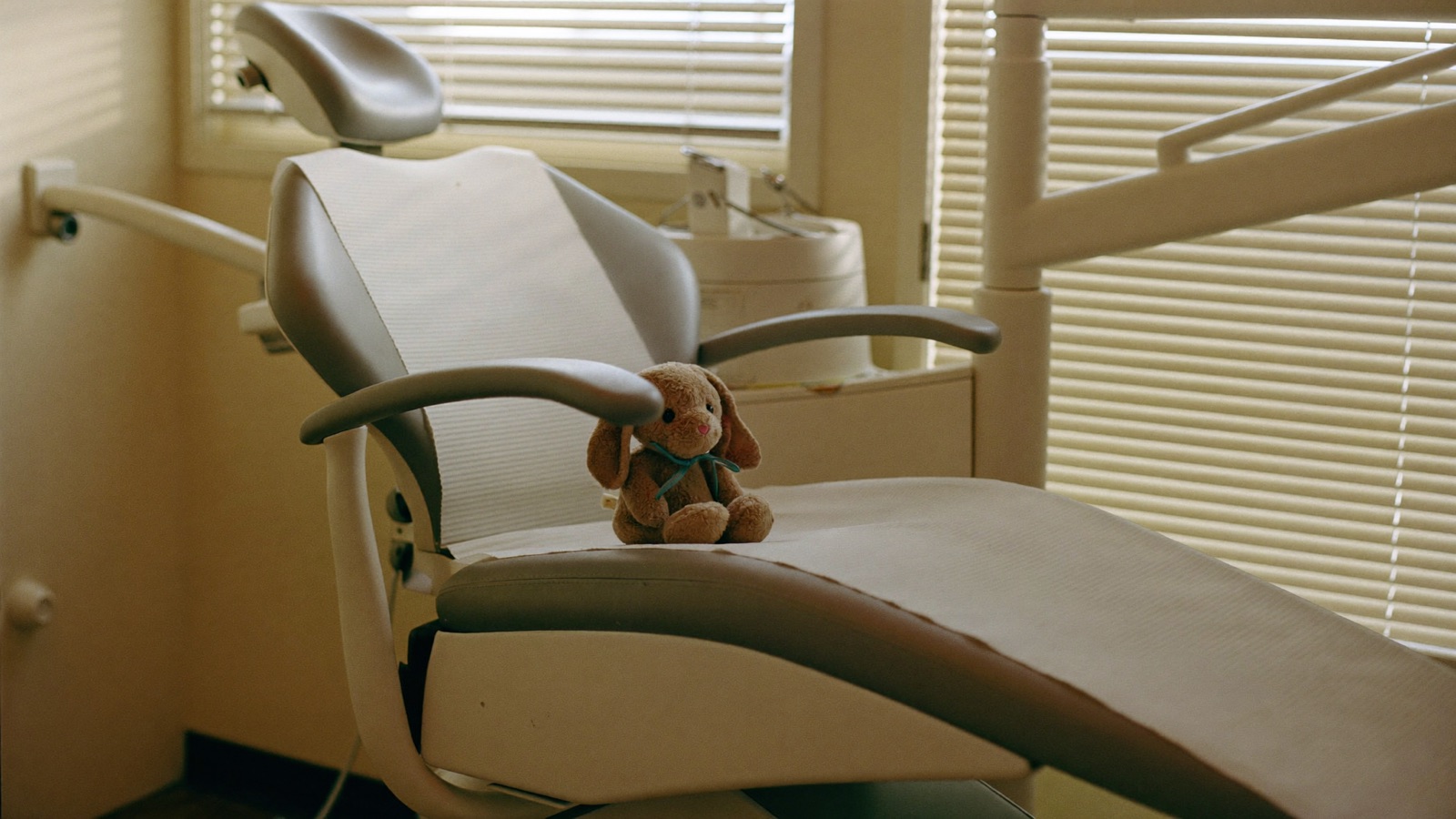
Understanding Childhood Dental Anxiety
Why children fear the dentist and how it affects oral health
Plenty of children are frightened of the dentist, and it has lasting consequences when nobody addresses it. Children who fear the dentist often avoid necessary care, leading to untreated cavities, pain, and increasingly complex dental problems.
Research published by the American Academy of Pediatric Dentistry shows that dental anxiety established in childhood often persists into adulthood, creating a lifetime of poor oral health outcomes.
Common Sources of Dental Fear in Children:
- Fear of pain or unfamiliar sensations
- Previous negative dental or medical experiences
- Parental anxiety transmitted to the child
- Loss of control in the dental chair
- Unfamiliar environment and strange equipment
- Fear of separation from parents
- Stories from peers about dental visits
Understanding the root cause of your child specific anxiety is the first step in addressing it effectively.
This is general information, not a diagnosis or treatment advice. See a dentist for advice about your situation.
Preparing Your Child for Dental Visits
Evidence-based strategies to reduce pre-visit anxiety
Preparation is key to reducing dental anxiety. How you talk about dental visits and what you do beforehand significantly impacts your child experience.
Before the Appointment:
- Schedule morning appointments when children are well-rested
- Use positive language: say dentist will count and clean teeth rather than drill or hurt
- Read age-appropriate books about dental visits
- Play dentist at home with stuffed animals
- Avoid bribing with rewards for good behavior (implies something bad)
- Never use dental visits as punishment or threats
- Share your own positive dental experiences
Children whose parents talk about the dentist in calm, matter-of-fact terms are much less likely to grow up dreading it.
Consider a pre-visit to the dental office just to meet the staff, see the office, and sit in the dental chair without any treatment. This familiarization reduces fear significantly.
During the Visit: Creating Positive Experiences
How parents and dental teams can work together
The dental visit itself offers opportunities to build confidence and reduce anxiety. Pediatric dental teams are specially trained in child psychology and behavior management.
Effective Techniques Used by Pediatric Dentists:
- Tell-Show-Do: Explain procedure, demonstrate on model, then perform
- Positive reinforcement for brave behavior
- Distraction with movies, music, or conversation
- Child-friendly language: calling suction Mr. Thirsty, polisher the tickle brush
- Allowing child some control: raising hand to pause treatment
- Parent presence (for young children) or separation (if parent is anxious)
- Nitrous oxide (laughing gas) for moderate anxiety
Research demonstrates that children treated with these behavioral management techniques develop significantly less dental anxiety over time.
Building Lifelong Positive Dental Habits
Long-term strategies for anxiety-free dental care
The ultimate goal is raising children who view dental care as a normal, non-threatening part of health maintenance. This requires consistency, patience, and positive experiences over time.
Long-Term Success Strategies:
- Start dental visits early (by age 1) before fear develops
- Maintain consistent regular visits every 6 months
- Praise brave behavior specifically rather than general praise
- Never punish or shame fearful behavior
- Choose a pediatric dentist experienced with anxious children
- Address dental problems early when treatment is simple
- Model good dental habits and positive attitudes at home
- Consider professional help for severe, persistent dental phobia
The American Academy of Pediatric Dentistry emphasizes that early, positive dental experiences are the best predictor of a lifetime of good oral health.
If your child experiences severe dental anxiety despite these interventions, discuss sedation dentistry options with your pediatric dentist. Various levels of sedation can help children receive necessary care while building positive associations.
From ToothDoQ: worried about a tooth right now? The free tooth scan gives you an honest read from a photo in under a minute, no signup. And ToothDoQ shows real prices with your insurance applied before you book.