ToothDoQ Blog · AI + Technology
What dental AI actually does.
A grounded look at radiograph reads, caries detection, and treatment planning — what the peer-reviewed evidence supports, and what's still marketing.
By ToothDoq Team · · 13 min read
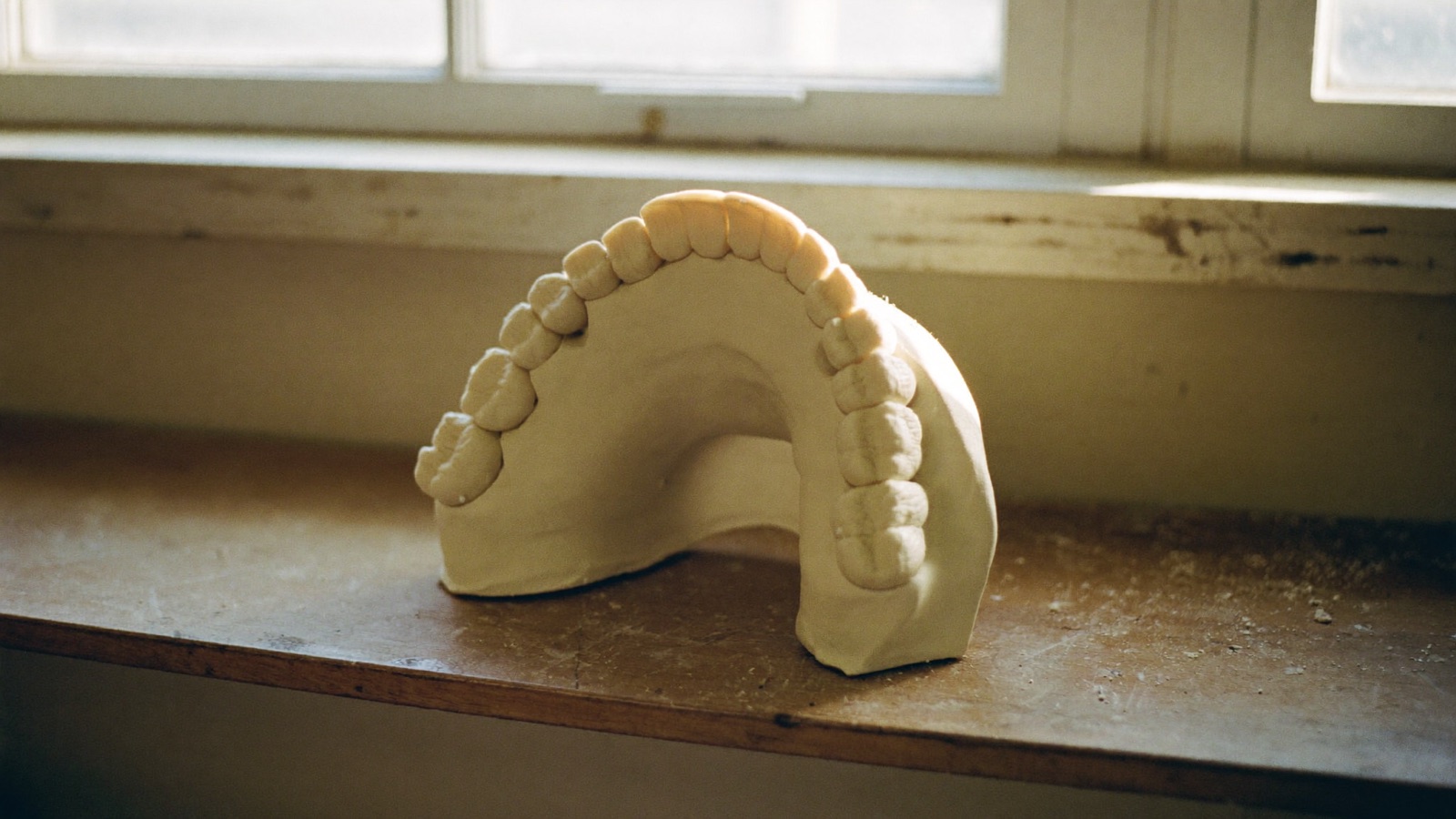
The AI Revolution in Dental Diagnostics
How machine learning enhances diagnostic accuracy
Artificial intelligence is transforming dental diagnostics with unprecedented accuracy. Machine learning algorithms trained on millions of dental images can now detect conditions that might escape even experienced clinicians.
A landmark study published in the Journal of Dental Research found that AI diagnostic systems detected dental caries on radiographs about as accurately as human experts, and on some tasks more accurately.
AI Diagnostic Applications:
- Cavity detection: Identifies early demineralization before visible cavitation
- Periodontal disease assessment: Measures bone loss with millimeter precision
- Oral cancer screening: Analyzes tissue changes for early malignancy detection
- Endodontic diagnosis: Evaluates root canal anatomy and pathology
- Orthodontic analysis: Predicts treatment outcomes and optimal approaches
NIH-funded research demonstrates that AI can pick up early-stage oral cancers that a visual examination alone would miss, and with oral cancer, earlier is what matters.
This is general information, not a diagnosis or treatment advice. See a dentist for advice about your situation.
Treatment planning with AI
Personalized care through predictive analytics
Beyond diagnosis, AI excels at treatment planning—analyzing patient data, historical outcomes, and clinical evidence to recommend optimal treatment approaches.
Treatment Planning Applications:
- Implant placement: 3D analysis for optimal positioning and angulation
- Orthodontic treatment: Predicts tooth movement and treatment duration
- Prosthetic design: Creates custom restorations with perfect fit and aesthetics
- Caries risk assessment: Predicts future cavity development to guide prevention
- Treatment outcome prediction: Forecasts success rates for different approaches
Research on AI-assisted implant planning reports fewer surgical complications and improved long-term success rates.
Clinical Evidence and Patient Outcomes
What research reveals about AI effectiveness
Multiple peer-reviewed studies validate AI's clinical effectiveness. A systematic review of 71 studies published in Dentomaxillofacial Radiology found that deep learning algorithms perform comparably to expert radiologists across multiple diagnostic tasks.
Documented Benefits:
- Improved diagnostic consistency: AI eliminates day-to-day variation in human performance
- Earlier detection: Identifies subtle changes invisible to the human eye
- Reduced treatment time: Automated analysis streamlines workflows
- Enhanced patient communication: Visual AI outputs help patients understand conditions
- Lower costs: Prevention through early detection reduces expensive interventions
Practices using AI catch more caries early, which is what makes minimally invasive treatment possible and keeps the eventual cost down.
The Future: Integration and Innovation
Emerging AI technologies transforming dental care
The next generation of dental AI promises even greater capabilities through integration with other technologies and continued algorithmic advancement.
Emerging Technologies:
- Real-time surgical guidance: AI provides intraoperative decision support
- Automated charting: Voice and image recognition eliminate manual documentation
- Personalized prevention: AI predicts individual risk and customizes prevention plans
- Virtual treatment simulation: Patients preview results before treatment begins
- Teledentistry enhancement: AI triage and preliminary diagnosis for remote consultations
The ADA has established guidelines for AI use in dentistry, emphasizing that AI should augment—not replace—clinical judgment. The dentist remains responsible for all diagnoses and treatment decisions.
From ToothDoQ: worried about a tooth right now? The free tooth scan gives you an honest read from a photo in under a minute, no signup. And ToothDoQ shows real prices with your insurance applied before you book.
Sources
- Journal of Dental Research: Artificial Intelligence for Dental Caries Detection
- National Institute of Dental and Craniofacial Research: AI for Early Oral Cancer Detection
- International Journal of Computerized Dentistry: AI-Assisted Dental Implant Planning: Clinical Outcomes
- Dentomaxillofacial Radiology: Performance of Deep Learning in Dental Diagnosis: Systematic Review
- American Dental Association: AI in Dentistry: Clinical Guidance